

A dry basement is essential for a safe and healthy home. Whether you use the space for storage, a gym, or an extra room, moisture can quickly cause damage. Dampness, leaks, and mold not only ruin belongings but also weaken your home’s foundation. The good news is that with the right approach, you can keep your basement dry and protected year-round.
Many homeowners underestimate how serious basement moisture can be until it becomes a major issue. Water that seeps through walls or floors can cause structural damage and costly repairs. That’s why basement waterproofing in Washington DC is more than a convenience; it’s a vital investment in your home’s long-term health and value.
Below, we’ll explore the causes of basement moisture and the most effective methods for stopping it for good.
Why Basements Get Wet
Basements are naturally prone to moisture because they sit below ground level. When rainwater or melting snow soaks into the surrounding soil, it creates pressure against the foundation walls. This hydrostatic pressure forces water through cracks, joints, or porous concrete.
Poor drainage is another common culprit. Clogged gutters, short downspouts, or improperly sloped yards can send water directly toward your home. Even in dry conditions, condensation can form on cool basement walls due to humidity, which can eventually lead to mold growth.
Understanding the source of moisture is the first step in selecting the right basement waterproofing method.
Interior Waterproofing Solutions
Interior waterproofing focuses on managing water that’s already entered the basement. It’s often the most affordable option and works well for mild to moderate moisture problems.
Sealants and Coatings
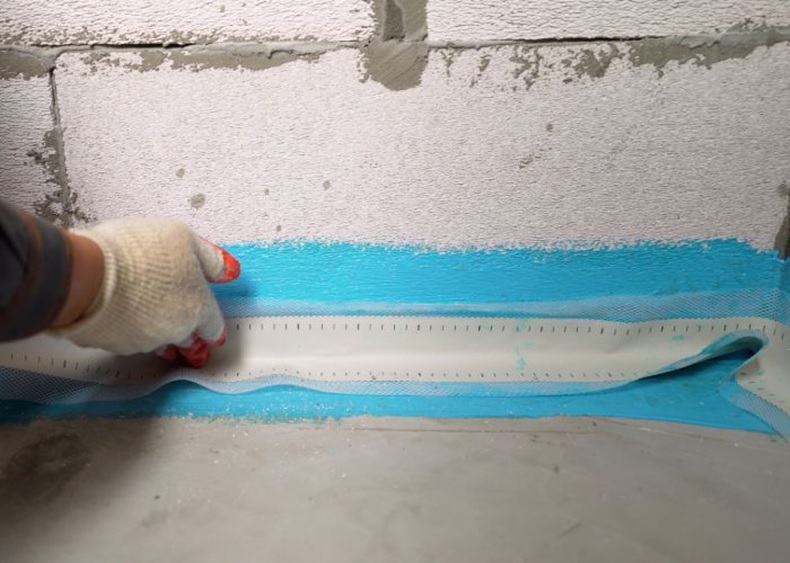
Applying waterproof sealants to basement walls and floors creates a moisture barrier, protecting the area from moisture damage. These coatings help reduce dampness and protect against small leaks, though they don’t stop major water pressure from the outside.
Interior Drainage Systems
Interior French drains, or weeping tile systems, are installed along the perimeter of the basement floor. They collect water that seeps in and direct it into a sump pump for removal. This method effectively keeps the space dry even during heavy rainfall.
Sump Pumps
A sump pump automatically removes collected water from the basement and pumps it outside. Regular testing and maintenance ensure it’s ready when you need it most.
Interior systems are great for keeping basements dry and functional, but may not address larger structural or exterior water problems.
Exterior Waterproofing Methods
Exterior waterproofing prevents water from reaching the foundation in the first place. Though more labor-intensive, it provides long-term protection.
Excavation and Membranes
This method involves digging around the foundation and applying a waterproof membrane or coating to the outside walls. The barrier blocks water penetration and protects the concrete.
Exterior Drainage Systems
Exterior French drains or perforated pipes are installed at the base of the foundation to redirect groundwater away from the home.
Grading and Gutters
Simple improvements like sloping your yard away from the foundation and extending downspouts can make a big difference. Proper drainage reduces soil pressure and keeps moisture from accumulating near your home.
Exterior basement waterproofing is the most comprehensive solution for homes experiencing significant water intrusion.
Combining Systems for Maximum Protection
Sometimes, the best results come from using both interior and exterior systems. For example, an exterior membrane can prevent water entry, while an interior sump pump removes any moisture that makes its way inside.
Combination systems are especially useful for homes in high-rainfall areas or those built on clay-heavy soil that expands and contracts with moisture.
Humidity and Air Quality Control
Even a waterproofed basement can experience humidity problems. High moisture in the air leads to musty odors and mold. Installing a dehumidifier and improving ventilation helps maintain healthy humidity levels and prevent condensation on walls and floors.
These upgrades complement waterproofing systems, ensuring lasting comfort and protection.
Maintenance Tips for Long-Lasting Results
Once your basement is waterproofed, a few maintenance steps can keep it that way for years:
- Clean gutters and extend downspouts to move water away from your foundation.
- Inspect and test sump pumps before heavy rain.
- Check for new cracks or damp spots every few months.
- Regrade your yard if you notice standing water near the home.
Small preventive actions go a long way toward protecting your investment.
Choosing the Right Professional
While some waterproofing steps can be DIY-friendly, professional expertise ensures a long-term fix. A reliable contractor will inspect your home, pinpoint the source of water intrusion, and recommend a system tailored to your needs.
When selecting a company, look for experience, clear warranties, and a proven track record of successful basement waterproofing projects.
Conclusion
Basement waterproofing isn’t just about stopping leaks; it’s about preventing damage, improving air quality, and preserving your home’s foundation. Whether you need interior sealants, drainage systems, or full exterior protection, taking action early will save you stress and expense later.
For dependable results, contact Basement Waterproofing DC. Their skilled team provides customized basement waterproofing solutions that keep your home dry, safe, and structurally sound throughout the year.