

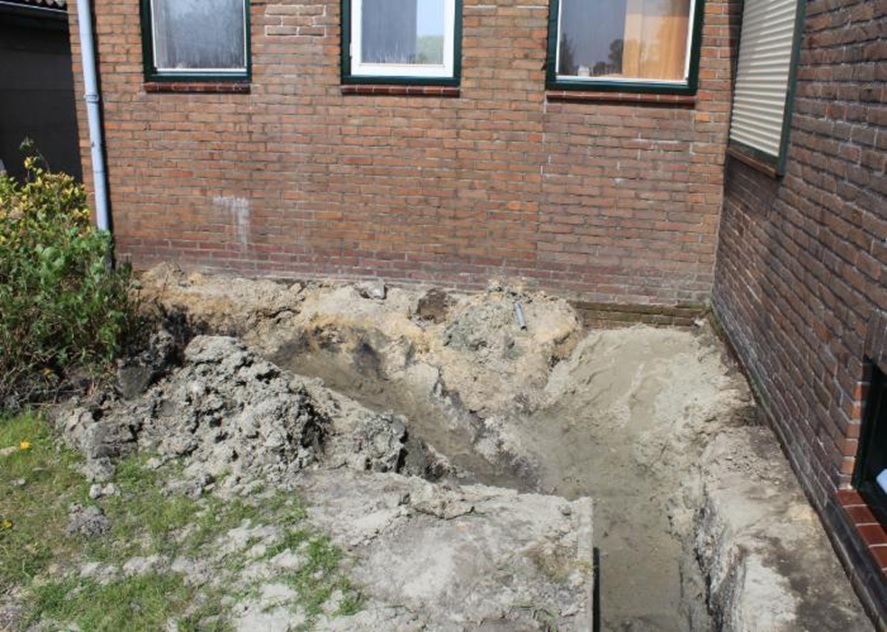
Your home’s foundation supports every part of your structure, from the walls to the roof. When cracks or settlement start to appear, it’s essential to act promptly. Delaying repairs can lead to further damage, uneven floors, or costly structural issues in the future.
What many homeowners don’t realize is that when you schedule repairs, it matters just as much as the type of repair itself. Seasonal changes, moisture levels, and soil conditions can all impact the durability of a repair over time. Understanding these factors can help you make the most informed decision for your home.
Professional foundation repair in New Braunfels, Texas takes these seasonal elements into account to ensure long-lasting results. Local experts understand the area’s soil composition and weather patterns, allowing them to plan and complete repairs at the ideal time for strength, stability, and durability.
Why Timing Matters for Foundation Repair
Your foundation is directly affected by the soil beneath it. When weather conditions change, so does the soil’s moisture level. During dry seasons, the soil shrinks, creating gaps under your foundation. In wetter months, it expands again, putting pressure on the concrete and causing cracks or shifts.
Performing foundation repair during stable soil conditions helps ensure a long-term fix. For many regions, late summer and early fall are ideal because the soil is dry and stable, making it easier for professionals to accurately assess and correct any issues.
Spring: The Season for Inspection
Spring is a good time to evaluate your foundation after winter’s freeze-thaw cycles. Temperature fluctuations and moisture can lead to small cracks that become visible as the weather warms.
While heavy spring rains can complicate major work, this season is perfect for inspections and scheduling upcoming repairs. Identifying early signs of damage allows homeowners to plan before conditions worsen.
Summer: The Best Time for Foundation Repair
Summer is often considered the best season for foundation repair. Dry weather allows soil to settle and stabilize, revealing the true extent of movement around your foundation. Contractors can lift, level, and seal foundations more accurately in these conditions.
Warm weather also speeds up curing times for concrete and sealants, ensuring a stronger, more secure bond. Scheduling repairs in summer helps homeowners avoid delays during the busy fall season.
Fall: Ideal for Long-Lasting Results
Fall offers mild temperatures and consistent soil moisture, which make it another excellent time for repairs. After a dry summer, soil begins to balance out, reducing expansion and contraction.
This season is also a great opportunity to reinforce your foundation before winter. Completing repairs before freezing temperatures arrive helps prevent further cracking or movement caused by ice and moisture.
Winter: A Practical Option in Mild Climates
In colder regions, winter can be challenging for foundation work because frozen soil is difficult to excavate, and concrete cures more slowly. However, in milder climates, winter can still be an effective time for repairs.
Contractors may have more availability, and specialized materials allow for work even in cooler temperatures. The key is to schedule repairs before extreme cold sets in or when the soil remains workable.
When to Act Immediately
While timing helps achieve optimal results, serious foundation issues shouldn’t wait for the perfect season. If you notice warning signs such as:
- Cracks in walls, floors, or ceilings
- Doors or windows that stick
- Uneven or sloping floors
- Gaps between trim and walls
- Water pooling around your home’s base
Ignoring these symptoms can lead to more expensive damage. Professional foundation repair specialists possess the necessary tools and expertise to handle repairs safely year-round, when needed.
How to Prepare for Foundation Repair
Before work begins, prepare your home to make the process smoother. Move furniture and décor away from affected areas and ensure contractors have clear access to your foundation inside and outside. Trim any landscaping close to the work zone and discuss your contractor’s plan ahead of time.
Proper preparation helps keep the project efficient and minimizes disruption to your daily routine.
Year-Round Maintenance for a Strong Foundation
Preventive care goes a long way in avoiding major foundation problems. Keep gutters and downspouts clear so rainwater flows away from your home. Regrade the soil if necessary to improve drainage and prevent water pooling.
During dry months, lightly water the soil around your foundation to prevent excessive shrinking. Also, avoid planting large trees too close to your home, as their extensive roots can absorb excessive moisture.
Performing a simple inspection twice a year, typically in the spring and fall, helps you catch minor cracks early and reduces the need for major foundation repairs later on.
Choosing the Right Time and Contractor
The best time for foundation repair depends on the condition of your home and your local climate. While summer and fall typically offer ideal conditions, acting quickly when you spot warning signs is always more important than waiting for the “perfect” time.
Hiring experienced professionals ensures that repairs are performed safely, efficiently, and with long-lasting results. Local experts understand your area’s soil and weather patterns, which helps them choose the right methods and materials for your home.
Conclusion: The Best Time to Act Is Now
Timing plays a crucial role in the success of foundation repair; however, delaying necessary work only allows the damage to worsen. Whether it’s summer, fall, or even a mild winter, the most important step is to act promptly once you notice a problem.
For trusted, long-lasting results, contact New Braunfels Foundation Repair Experts. Their skilled team provides professional foundation repair services that restore strength, prevent water damage, and keep your home stable all year long.