

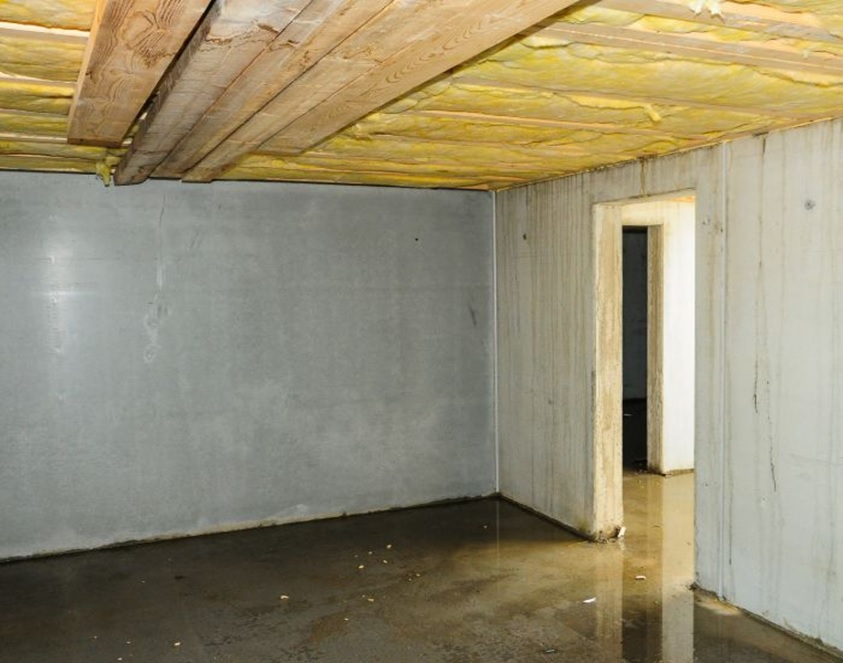
Cracks in your walls, sticking doors, or sloping floors may seem like minor issues, but they could indicate a more serious problem: foundation damage. While it can feel overwhelming to hear that your home’s foundation needs attention, the good news is that modern repair solutions are effective, reliable, and designed to last.
Foundation problems are more common than most people realize, especially in areas with unstable soil or poor drainage. The key to solving them is not just fixing the symptoms, but choosing the right solution for the underlying cause. Shreveport foundation repair services provide homeowners with proven methods to address these issues, restoring both the safety and value of a home for years to come.
Why Foundations Need Repair
Your home rests on soil that naturally expands and contracts in response to changes in moisture levels and weather conditions. Over time, this movement puts stress on the foundation, especially if the soil was not properly compacted or if water is allowed to pool near the base of the house. Tree roots, poor construction, or even earthquakes can also cause foundation damage.
Common signs you may need foundation repair include:
- Cracks in walls, floors, or ceilings
- Doors and windows that no longer close properly
- Gaps between walls and baseboards
- Uneven or bouncy floors
- Leaning or bowing basement walls
If you see one or more of these issues, it is important to get your home evaluated as soon as possible. Ignoring foundation damage can lead to more serious problems over time.
Key Foundation Repair Methods Explained
Not every home requires the same solution. Professionals choose from several proven methods based on the cause and severity of the damage. Here are the most common options:
Concrete Piers
Concrete piers are installed deep into the ground beneath your home’s foundation. These piers support and lift areas that have sunk due to soil movement or poor compaction. Concrete is a durable material, and this method is particularly effective for homes with moderate to severe settlement issues.
Steel Piers
Steel piers are similar to concrete piers but are often considered more effective for deeper or more complex repairs. These are driven much deeper into stable soil or bedrock and offer long-term strength. This method is ideal for heavier homes or those built on clay-rich soils.
Helical Piers
Helical piers resemble large screws and are twisted into the ground to anchor and stabilize the foundation. They are a good choice for lighter structures, such as porches or homes with limited access. They are quick to install and cause minimal disruption to the yard.
Slabjacking (Mudjacking)
If you have a sunken concrete slab, such as a garage floor, walkway, or patio, slabjacking may be the best option. This method involves pumping a grout mixture underneath the slab to raise it back into place. It is cost-effective for smaller areas but not usually recommended for full foundation support.
Matching the Method to Your Home
Several factors determine which foundation repair method is right for your home:
- Soil Type: Homes on expansive or loose soils often need deeper piers, like steel or concrete.
- Foundation Type: Slab foundations, crawlspaces, and basements each have unique repair needs.
- Home Size: Heavier structures require stronger and more permanent solutions.
- Access: Tight areas or landscaping features may limit which methods can be used.
That is why it is important to work with a professional who understands how to assess your home’s condition and recommend the most effective fix.
Cost vs Durability
While cost is always a factor, it is important to weigh short-term savings against long-term stability. Cheaper fixes may only patch the surface problem, leaving the root cause unresolved. Investing in a durable foundation repair method up front can save you thousands of dollars in future damage and give you peace of mind.
Be sure to get a detailed estimate in writing. A trustworthy contractor will explain the work to be done, the materials being used, and what kind of warranty or follow-up service is included.
Why Professional Help Matters
Foundation repair is not a DIY job. Surface cracks can be easy to fill, but without the right tools and training, it is impossible to know whether the issue runs deeper. A licensed contractor will inspect your home, identify the cause, and explain the repair options clearly.
Professional inspections typically include measurements, moisture readings, and an evaluation of your home’s structural integrity. These details help build an accurate repair plan tailored to your home’s needs.
Most importantly, professionals get the job done safely and efficiently, protecting both your property and your family.
Conclusion
Foundation problems may start small, but they rarely go away on their own. The good news is that today’s foundation repair methods are designed to stop damage in its tracks and keep your home strong for years to come. Whether your home needs piers, anchors, or slabjacking, the right approach will restore stability and prevent future issues.
By understanding your options and working with a trusted expert, you can protect your investment and enjoy lasting peace of mind.
If you have noticed cracks, sloping floors, or other signs of foundation trouble, now is the time to act. The team at Shreveport Foundation Repair Specialists offers thorough inspections and customized solutions tailored to your home’s and soil conditions. Contact us today to schedule your consultation and take the first step toward long-term stability and protection.