

Cutting down a tree may seem like a basic task, but some trees are much more difficult to remove than others. From tough wood to towering heights, certain species present challenges that go beyond what most homeowners expect. If you plan to remove a tree from your yard, understanding what makes some trees harder to cut is a smart first step.
Some trees grow in tight spots or near power lines, while others have wood so dense that it quickly wears down tools. In such cases, working with a professional is not only helpful but often necessary. Homeowners who choose a reputable team for tree service and tree removal Farmington Hills can ensure the work is done safely and effectively.
In this guide, we will explore the toughest trees to cut, why they are so challenging, and how expert tree service providers approach them safely and efficiently.
What Makes a Tree Hard to Cut?
Several factors influence the difficulty of removing a tree. It is not just about the height or age. The type of wood, location, and structure all play a role.
Wood Density and Hardness
Trees like oak, hickory, and black locust are known for their dense, hardwood trunks. This makes them very strong, but also very difficult to cut through. Standard saws dull quickly, and even commercial equipment has to work harder to get the job done.
Tree Height and Shape
Tall trees with wide canopies or irregular growth patterns can be tricky. These trees often require ladders, harnesses, or lifts to reach their branches safely. The more spread out or twisted a tree is, the more complicated the cutting process becomes.
Location Near Structures
Even a small tree can become a challenge when it is located close to your home, fence, or power lines. These situations require careful planning to prevent accidents. Professional crews often need to rope down branches or use cranes to control the direction of the fall.
Top 5 Most Difficult Trees to Cut
While many trees can pose challenges, a few stand out as especially tough to remove. Here are five trees that usually require extra effort, skill, and equipment.
Osage Orange
This tree produces some of the hardest wood in North America. Its twisted, gnarled branches make it difficult to cut cleanly, and its dense core puts a lot of strain on cutting tools.
Black Locust
Known for its strength and durability, black locust wood is very resistant to rot and very tough to saw through. The trunk often grows in unpredictable shapes, adding to the difficulty.
American Elm
Elms can grow very large, with wide canopies that require piece-by-piece removal. Dutch elm disease also weakens their limbs, making the removal process more dangerous if the tree is unstable.
Eucalyptus
This tree is popular in some climates, but its dense, oily wood dulls blades quickly. Its limbs are heavy and prone to splitting, so they must be handled with care during removal.
Oak Trees
Red and white oaks are both beautiful and strong, but their deep roots and thick trunks mean extra time and effort. They often require large crews and powerful tools to remove safely.
Why Professional Tree Service Is Important
Trying to cut down one of these trees without the proper tools or training can lead to injury, property damage, or worse. A qualified tree service can safely manage even the most challenging removals.
The Right Tools for the Job
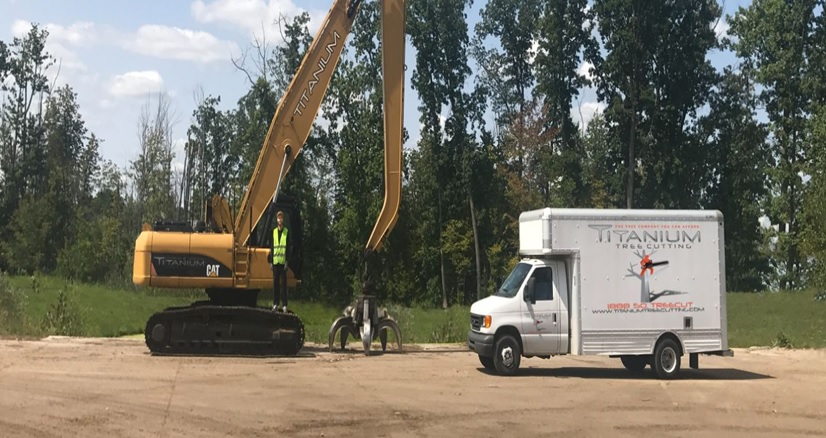
Tree service crews use commercial-grade chainsaws, rigging equipment, and cranes when needed for tree inspections. They can assess the safest way to remove each part of the tree without damaging your home or landscape.
Knowledge and Training
Cutting a tree is not just about making a few cuts and letting it fall to the ground. Professionals are trained to understand how trees respond under pressure and know how to prevent unexpected breaks or drops.
Safe and Thorough Removal
Beyond cutting the tree down, professionals also remove branches, stumps, and debris. Some services include stump grinding or root removal to help you avoid future problems with regrowth or pests.
When to Call for Tree Service
Some trees can be handled on your own, but in most cases, hiring a team is the safest and most effective choice.
- The tree is very large or close to buildings or power lines
- The species is known for its dense or unpredictable wood
- The tree is showing signs of disease or structural weakness
- You are not sure how to begin or what tools to use
If any of these apply, it is best to contact a local tree service before proceeding.
Conclusion
Not all trees are equal when it comes to removal. Some are taller, tougher, or more hazardous than they first appear. Knowing which trees are hardest to cut and why can help you plan and avoid injury or costly mistakes.
Whether you are dealing with an old oak, a stubborn locust, or a hard-to-reach elm, calling in a professional tree service gives you peace of mind that the job will be done safely and completely.
For expert assistance with even the most challenging tree removals, contact Titanium Tree Cutting. Our team possesses the tools, experience, and training to handle any job, regardless of its size or complexity. Schedule your free assessment today and let us take care of your tree removal needs with care and precision.