

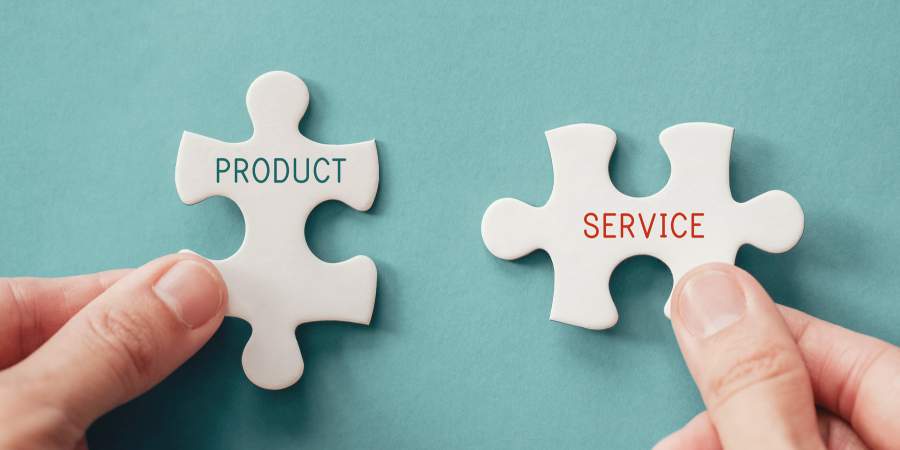
In the modern economy, both tangible products and intangible services play critical roles in business success. However, understanding the distinction between business service vs product service is vital for creating value, managing customer expectations, and structuring operations effectively. Although these two concepts often overlap in today’s hybrid marketplaces, they are fundamentally different in how they deliver value, generate revenue, and evolve over time.
For executives, entrepreneurs, and service managers, recognizing the nuances between business and product services helps refine strategies for growth, efficiency, and customer retention. This article explores the core differences, operational implications, and real-world applications of both, supported by detailed examples and best practices.
Understanding Business Services
A business service is an intangible offering that supports organizational operations, enhances productivity, or adds value to a company’s capabilities. These services do not produce a physical product but instead deliver measurable outcomes such as expertise, efficiency, or convenience.
Characteristics of Business Services
- Intangibility – Business services cannot be physically touched or stored. Their value lies in the experience or outcome they provide, such as consulting, logistics, or IT support.
- Inseparability – The production and consumption of services occur simultaneously. For example, technical support is delivered and consumed at the same time.
- Variability – The quality of service often depends on the person providing it and the process involved. Two customers might experience the same service differently.
- Perishability – Services cannot be inventoried for future use. Once delivered, they must be experienced in real time.
- Customer participation – Many business services require active engagement from the customer to achieve the desired outcome.
Examples of Business Services
- Human resources management and training
- IT infrastructure management and cybersecurity
- Financial auditing and accounting
- Supply chain coordination
- Legal consulting or compliance support
Each of these examples focuses on solving specific business problems rather than providing a tangible product.
Understanding Product Services
A product service refers to the tangible goods offered to customers, often accompanied by post-purchase services like maintenance, warranties, or user support. Products are physical items designed to fulfill specific consumer or business needs.
Characteristics of Product Services
- Tangibility – Products are physical and can be stored, shipped, or displayed.
- Standardization – Products are usually produced in standardized units, ensuring consistency in quality.
- Ownership transfer – Once purchased, ownership of the product transfers from the seller to the buyer.
- Longevity – Products have a defined lifespan and can be reused or resold.
- Independent of provider – After purchase, the product can function independently of its creator or seller.
Examples of Product Services
- Electronics such as laptops, smartphones, and printers
- Industrial machinery or equipment
- Consumer goods like furniture, vehicles, or appliances
While products are primarily physical, many now include digital or service-based components to increase value, blending product and service attributes.
Core Differences Between Business and Product Services
The line between business services and product services can sometimes blur, but they remain distinct in purpose, delivery, and value proposition. The following sections explore their most significant differences.
1. Nature of the Offering
- Business services deliver value through expertise, skill, or performance outcomes.
- Product services deliver value through tangible goods that customers can own and use.
For instance, a logistics consulting firm provides a service, whereas a company that manufactures delivery vehicles provides a product.
2. Value Perception
In business services, customers pay for knowledge, reliability, or problem-solving capabilities. In contrast, with product services, value lies in the physical utility and performance of the item.
3. Measurement of Success
- Business service performance is measured through KPIs like service quality, client satisfaction, or time to resolution.
- Product success is measured through metrics like defect rates, usability, and lifecycle costs.
4. Delivery Process
Business services are interactive and customer-driven, requiring real-time communication and customization. Product services, on the other hand, follow standardized manufacturing and distribution processes.
5. Scalability
Products can be mass-produced efficiently, reducing unit cost as volume increases. Services, however, depend heavily on human resources and expertise, making scalability more complex.
Interconnection: The Product-Service Continuum
Modern businesses rarely operate with a pure product or service model. Instead, they fall somewhere along the product-service continuum, where tangible and intangible elements combine to deliver complete value.
Examples include:
- A software company offering cloud hosting, installation, and maintenance services with its licensed product.
- An automotive manufacturer providing financing, maintenance packages, and roadside assistance along with the vehicle.
- A telecommunications company selling both physical devices and network services.
This hybrid approach, known as servitization, allows companies to diversify revenue streams, improve customer retention, and differentiate themselves through value-added services.
Financial and Operational Implications
Revenue Recognition
Revenue recognition for services typically occurs when the service is performed or delivered, while for products, it is recognized upon the transfer of ownership. This difference affects cash flow, taxation, and financial reporting.
Cost Management
- Product services involve material costs, production expenses, and inventory management.
- Business services primarily involve human capital, technology infrastructure, and operational overhead.
Understanding these cost structures helps organizations optimize budgets and set competitive pricing models.
Customer Relationship Dynamics
Service-oriented businesses rely on long-term client relationships, as satisfaction and renewals drive revenue. Product-based companies, while also focused on customer satisfaction, often prioritize acquisition and volume sales. However, in today’s environment, both models emphasize ongoing engagement and support to foster loyalty.
Technology’s Role in Bridging Product and Business Services
Technological advancement has transformed how both services and products are designed, delivered, and maintained. Data analytics, artificial intelligence, and automation are key enablers of this convergence.
Digital Integration
Companies now embed service capabilities directly into products. Examples include:
- Smart appliances that offer diagnostic and support features via mobile apps
- Connected industrial equipment that uses IoT sensors to provide real-time maintenance alerts
Data-Driven Personalization
CRM systems and analytics tools help both service and product companies understand user behavior, track satisfaction, and optimize offerings based on data insights.
Automation and Efficiency
Automation enhances both sectors by reducing manual errors and improving turnaround times. For example, service ticketing systems streamline issue resolution, while automated assembly lines improve product consistency and cost efficiency.
The Customer Experience Perspective
From the customer’s point of view, the difference between a business service and a product service often lies in expectation and interaction.
Customer Expectations
- For product services, customers expect reliability, durability, and functionality.
- For business services, they expect responsiveness, expertise, and problem-solving ability.
Service Level Agreements (SLAs)
In business services, SLAs define measurable standards of quality, response times, and deliverables. These agreements ensure accountability and transparency, crucial for maintaining client trust.
Emotional Engagement
Products can create satisfaction through ownership, while services create loyalty through relationship and experience. Both must be managed carefully to maintain brand credibility.
Strategic Considerations for Businesses
Align Offerings with Market Demand
Understanding whether your target market values tangible outcomes or expertise-driven solutions is essential. For instance:
- Manufacturers can expand into service models to add recurring revenue streams.
- Service providers can create productized versions of their offerings to scale efficiently.
Focus on Value Co-Creation
Both product and service companies benefit from involving customers in the value creation process. In services, this may mean collaborative solution design; in products, it may involve customization options or feedback-driven upgrades.
Pricing and Profitability Models
- Product pricing is often cost-plus or value-based, depending on competitive positioning.
- Service pricing can be subscription-based, hourly, or outcome-driven.
Hybrid models, such as pay-per-use or managed service agreements, are increasingly popular across industries.
Real-World Example: The Shift Toward Integrated Solutions
Consider the technology industry, where traditional hardware manufacturers now offer integrated service ecosystems. Instead of simply selling devices, they provide ongoing updates, cloud integration, and support. Similarly, consulting firms may create standardized tools or software products to supplement their service portfolios.
This evolution underscores a global trend toward hybrid business models that combine efficiency, innovation, and customer-centricity.
FAQ
Q1. Why is it important to differentiate between business service and product service?
Understanding the difference helps organizations define value propositions, allocate resources, and structure pricing strategies effectively.
Q2. Can a business offer both services and products simultaneously?
Yes. Many companies now adopt hybrid models where products are bundled with ongoing services, enhancing customer loyalty and creating recurring revenue.
Q3. How do marketing strategies differ between product and business services?
Product marketing focuses on features, performance, and ownership benefits, while service marketing emphasizes trust, relationships, and measurable outcomes.
Q4. What are the main challenges of managing business services?
Maintaining consistent quality, managing client expectations, and training staff to handle variability are key challenges in service delivery.
Q5. How does digital transformation impact the balance between product and business services?
Digital tools enable companies to integrate services into products, automate customer interactions, and use data to personalize experiences, effectively merging both models.