

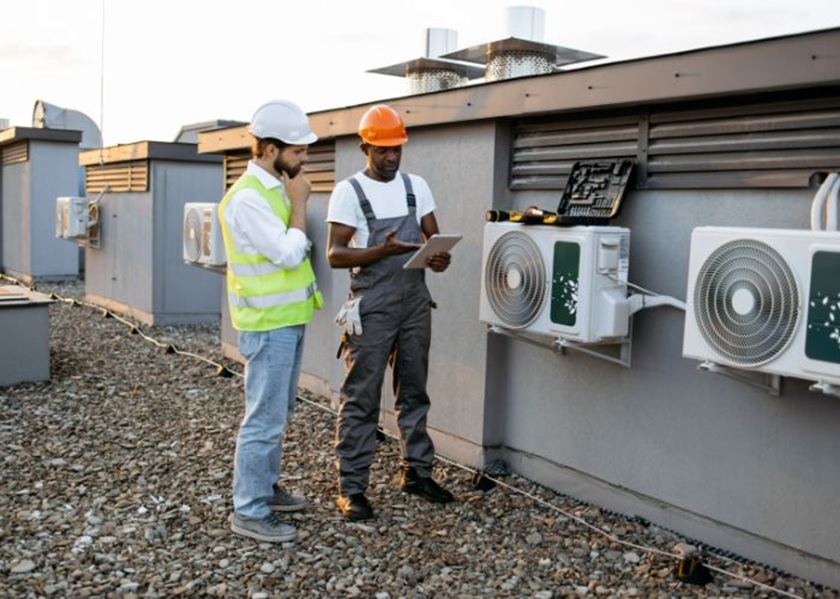
Many homeowners love a good DIY project. Painting, tiling, or building furniture can be rewarding, especially when it saves money. But when it comes to installing major systems, like heating and cooling, things get much more complicated. Installing an HVAC system may seem manageable after watching a few tutorials, but the reality is very different.
Your home’s heating, ventilation, and air conditioning system plays a major role in keeping your living space safe and comfortable throughout the year. It regulates temperature, improves indoor air quality, and supports energy efficiency. Attempting to install such an important system without the right knowledge can lead to costly mistakes, safety hazards, and long-term performance issues.
If you are considering working on HVAC service in Rhode Island, it’s important to understand that while installation might be technically possible for homeowners, it is not recommended. The process requires professional tools, specialized skills, and an understanding of state building codes. Choosing professional installation ensures your home remains efficient, safe, and comfortable for years.
What’s Involved in an HVAC System
HVAC stands for heating, ventilation, and air conditioning. Together, these systems control temperature, humidity, and airflow throughout your home. Furnaces and heat pumps provide warmth during the winter, while air conditioners remove heat and moisture during the summer. Ventilation ensures clean, fresh air circulates indoors.
Each type of system, central air, ductless mini-split, or heat pump, requires careful planning and precise installation. Connecting ductwork, refrigerant lines, and electrical wiring must be done correctly to prevent leaks or damage. Mistakes during installation can lead to efficiency loss and expensive repairs.
Why DIY HVAC Installation Is Risky
At first, installing an HVAC system yourself might seem like a way to save money. However, safety risks, system performance issues, and legal requirements quickly outweigh any initial savings.
Electrical and gas connections are two of the biggest hazards. HVAC systems use high-voltage electricity and sometimes natural gas, both of which can cause fires, shocks, or leaks if handled improperly. In addition, refrigerant handling requires professional certification under federal law. Homeowners who attempt it without training can face fines and damage the environment.
Even if safety isn’t compromised, performance might be. Improper sizing, poor ductwork sealing, or incorrect wiring can lead to uneven heating and cooling, noisy operation, and higher utility bills. A poorly installed system also experiences more wear and tear, shortening its lifespan.
The Hidden Costs of DIY Installation
While DIY installation seems cheaper up front, hidden expenses often make it more costly in the long run. The right tools, such as vacuum pumps, gauges, and pressure testers, are expensive to buy or rent. Mistakes during installation can cause equipment failure, requiring professional repair or complete replacement.
Permits and inspections are another factor. Rhode Island, like most states, requires building permits for HVAC installations. Without them, you may fail inspections or face fines. DIY installations also risk voiding your manufacturer’s warranty, leaving you responsible for all future repair costs.
Why Professional Installation Is the Better Choice
Hiring licensed professionals ensures the job is done safely and efficiently. Certified technicians understand how to calculate the right system size for your home, connect components correctly, and meet state safety codes. They also test the entire system to confirm it runs efficiently before completing the job.
Professionals help protect your investment, too. Most HVAC manufacturers require installation by a licensed contractor for the warranty to remain valid. Professional installation also ensures that your system delivers maximum comfort while using less energy, helping you save on monthly bills.
What Homeowners Can Safely Do Themselves
While full installation should always be left to professionals, homeowners can handle basic maintenance tasks. Replacing air filters regularly improves airflow and keeps the system clean. Clearing debris around outdoor units helps airflow and prevents strain on components. You can also install or program a smart thermostat to better manage your energy use.
These small steps keep your HVAC system in good shape between professional visits, improving both performance and longevity.
Comparing Costs: DIY vs. Professional Installation
DIY installation may appear more affordable at first, but once tools, permits, and the risk of mistakes are considered, professional service becomes the smarter financial decision. A correctly installed HVAC system operates efficiently, lasts longer, and requires fewer repairs. In contrast, a poorly installed system could cost hundreds or even thousands more over time.
Conclusion
Installing an HVAC system yourself might sound tempting, but the risks and potential costs make it impractical. Between electrical dangers, refrigerant laws, and warranty restrictions, professional help is the safest and most cost-effective option.
Choosing professional installation gives you peace of mind that your system is efficient, reliable, and fully compliant with safety regulations. It’s an investment in your home’s comfort, energy savings, and long-term value.
For trusted installation, expert maintenance, and reliable service, contact UBH Heating & Cooling. Their experienced team provides top-quality HVAC solutions that keep Rhode Island homes comfortable in every season. With professional craftsmanship and dependable service, they ensure your system runs smoothly, safely, and efficiently year-round.