

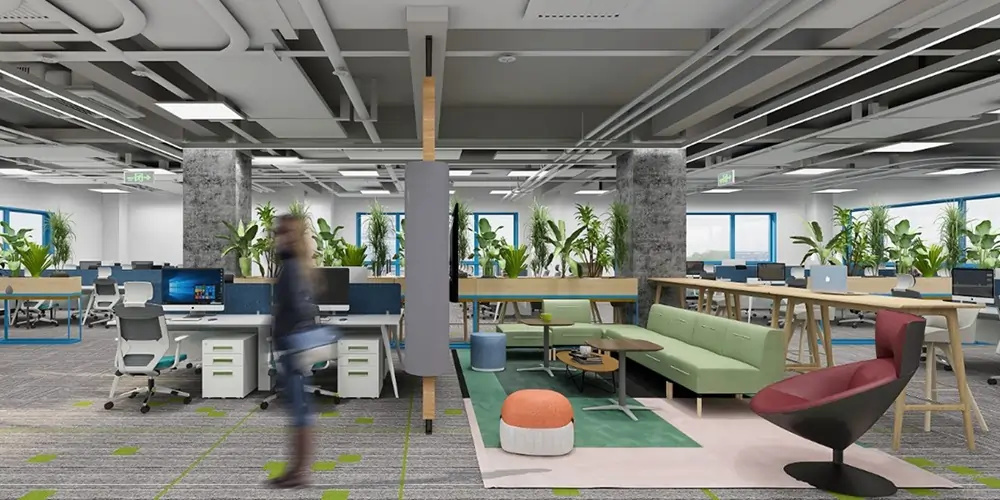
Creating an eco-friendly office is no longer a niche goal but a pressing demand for businesses across Australia. With growing awareness around climate change and sustainability, companies are re-evaluating how their workspaces impact the environment. Transforming your office into a sustainable space is not only a contribution to a healthier planet but also a way to cut costs and improve employee morale. Implementing solutions like energy-efficient lighting, sustainable materials, and innovative layout designs can make a significant difference.
When planning an eco-conscious office transformation, businesses need to start by considering sustainable fitout solutions. This involves updating interiors with environmentally friendly materials and minimising waste during renovations. For Australian companies, this approach aligns directly with green building certification standards like NABERS and Green Star. Practical steps such as choosing recycled or FSC-certified wood, low-VOC paints, and energy-efficient fixtures can boost the environmental profile of your workplace. To explore more effective strategies for fitouts, you can visit https://www.affordablefs.com.au/.
Focusing on sustainability does not mean compromising on style or functionality. Instead, it ensures a long-term approach to workspace design that benefits the planet and people. For instance, incorporating natural light through large windows or skylights reduces reliance on artificial lighting. Similarly, thoughtful layouts that optimise airflow can cut the need for air conditioning, reducing energy consumption.
Why Sustainable Fitouts Matter in Australia
Australia’s unique climate and geography make sustainable practices particularly important. With hot summers and a growing demand for climate control in offices, energy usage frequently spikes. By integrating fitouts designed for efficiency, businesses can curb excess energy consumption. Take, for example, installing solar panels or solar window films—a solution that aligns perfectly with Australia’s abundant sunlight supply.
Another reason sustainability resonates here is the national push for reducing landfill waste. Traditional fitout projects can contribute significantly to waste through discarded furniture, materials, and packaging. Choosing modular furniture or upcycling existing pieces not only reduces waste but supports the circular economy.
Employee Wellbeing Through Green Offices
Eco-friendly workplaces aren’t just about energy savings, they directly affect employee health and productivity. Poor air quality caused by synthetic materials and inadequate ventilation can lead to fatigue and lower focus levels. By contrast, adding indoor plants and utilising non-toxic materials contributes to cleaner air. Biophilic designs, which incorporate natural elements into workspaces, have proven to decrease stress and boost creativity in employees.
Australian businesses can also take inspiration from case studies of local companies that successfully went green. For instance, firms in Melbourne’s CBD have introduced workplace gardens and compost facilities, creating a culture of sustainability from the inside out.
Small Steps Towards Greener Spaces
For companies not ready for a full-scale renovation, incremental changes can still make an impact. Simple measures like switching to LED lighting, using energy-efficient office equipment, and introducing recycling initiatives can pave the way. Such steps are affordable and ideal for smaller businesses aiming for sustainability on a budget.
Transitioning to an environmentally friendly office is more than a trend, it’s a necessity. Sustainable fitout solutions provide a roadmap for creating workplaces that are functional, attractive, and above all, kind to the planet. Every business, no matter its size, can implement practices to reduce its ecological footprint and create a workspace that reflects its commitment to a sustainable future.