

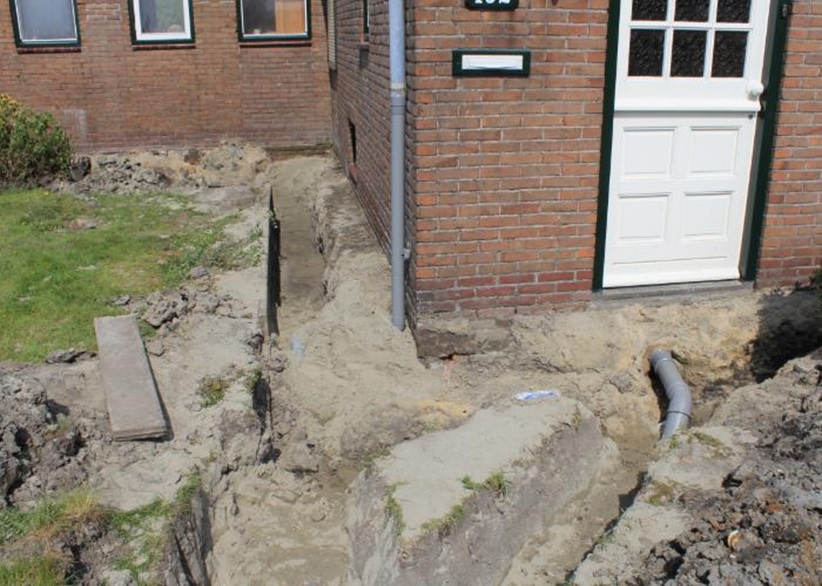
Foundation problems are a common concern for homeowners in Texas. The state’s clay-heavy soil, shifting weather patterns, and frequent droughts can cause houses to settle, crack, or shift over time. These changes often lead to visible issues such as uneven floors, wall cracks, or doors that no longer close properly. While this can be stressful, the good news is that today’s repair methods are efficient, durable, and designed to handle Texas soil conditions.
Professional foundation repair Kyle, TX, offers long-term stability and peace of mind. Local experts understand the region’s unique soil behavior and know how to correct foundation movement safely and effectively. They use proven techniques and high-quality materials to restore balance to your home’s structure while minimizing disruption.
Understanding how professionals handle foundation repair helps homeowners make confident, informed decisions. With expert guidance, you can protect your property, improve its safety, and prevent costly damage before it worsens.
Why Foundation Problems Are Common in Texas
Texas soil is primarily composed of expansive clay that expands when wet and contracts when dry. These constant shifts cause foundation movement in your home, resulting in cracks in walls, uneven floors, or doors that stick.
Long periods of drought followed by heavy rain make the problem worse, as the ground alternates between shrinking and expanding. Poor drainage or grading can also add pressure to your foundation, accelerating damage. For these reasons, foundation repair is a frequent and necessary service in many Texas communities.
How Professionals Diagnose Foundation Problems
Before starting any repairs, contractors perform a detailed inspection to pinpoint the source and severity of the issue.
Visual Inspection: A technician checks for cracks, sloping floors, or gaps around windows and doors.
Elevation Measurements: Specialized tools measure changes in floor height to indicate the extent of foundation settlement.
Soil Testing: By examining soil conditions, experts determine how moisture and composition are affecting the foundation.
Following this evaluation, the contractor develops a customized repair plan tailored to your home’s specific needs.
Common Foundation Repair Methods in Texas
Repair techniques vary depending on the type of foundation, the extent of damage, and the soil conditions surrounding your home.
Concrete Pressed Piers: One of the most popular methods in Texas, this involves driving concrete cylinders deep into the ground until stable soil is reached. The piers support and level the foundation.
Steel Piers: These provide greater strength and depth than concrete, making them ideal for areas with highly active clay soil.
Helical Piers: These screw-like anchors are twisted into the ground to stabilize lighter structures or homes with limited access.
Slabjacking (Mudjacking): For minor settling, professionals inject a grout or foam mixture under the foundation to raise it back to level.
Each method is carefully selected to ensure long-lasting results and minimize future movement.
What to Expect During the Repair Process
Knowing what happens during foundation repair can make the process less stressful.
Preparation: The crew clears the area around your home to ensure safe access to the foundation.
Pier Installation: The chosen pier system is installed and adjusted using hydraulic jacks to lift and level the foundation.
Backfilling and Cleanup: Once the home is stabilized, soil is replaced, and the area is cleaned. Many professionals also inspect plumbing and drainage afterward.
Final Inspection: The team verifies that the foundation is level and provides a warranty to ensure your peace of mind.
Most projects take anywhere from a few days to a week, depending on the size and severity of the home’s damage.
Preventing Future Foundation Problems
After repair, simple maintenance steps can help prevent the issue from returning.
Maintain Soil Moisture: During dry months, lightly water the ground around your foundation to prevent excessive shrinkage. Avoid overwatering during wet seasons.
Improve Drainage: Ensure gutters and downspouts direct water away from the home. Consider adding French drains if your yard retains water.
Watch Tree Placement: Large trees planted too close to your house can absorb soil moisture unevenly, leading to movement.
Schedule Inspections: Have your foundation checked every few years to catch small problems before they worsen.
Benefits of Professional Foundation Repair
Hiring skilled professionals provides lasting stability and protects your investment.
Structural Integrity: Expert repairs stop further settling and strengthen your home’s foundation.
Energy Efficiency: Leveling the foundation seals gaps that allow air to escape, lowering heating and cooling costs.
Increased Property Value: A solid, warrantied foundation gives buyers confidence and boosts resale value.
Peace of Mind: Knowing your home rests on a stable base lets you enjoy it without worry.
How Long Does Foundation Repair Take?
Most foundation repair projects in Texas take between three and seven days. The timeline can vary depending on the number of piers installed, the type of soil, and weather conditions. A reputable contractor will provide an accurate schedule and minimize disruption to your daily routine.
Conclusion
Foundation problems are a reality for many Texas homeowners, but with professional expertise, they can be repaired efficiently and effectively. Understanding how experts handle foundation repair helps you take proactive steps to maintain a safe, stable home.
For trusted service and proven results, contact Total Foundation Repair Kyle. Our experienced team specializes in diagnosing and fixing foundation issues across Texas. Whether you need a detailed inspection or complete foundation repair, Total Foundation Repair Kyle delivers reliable solutions that keep your home strong for years to come.