

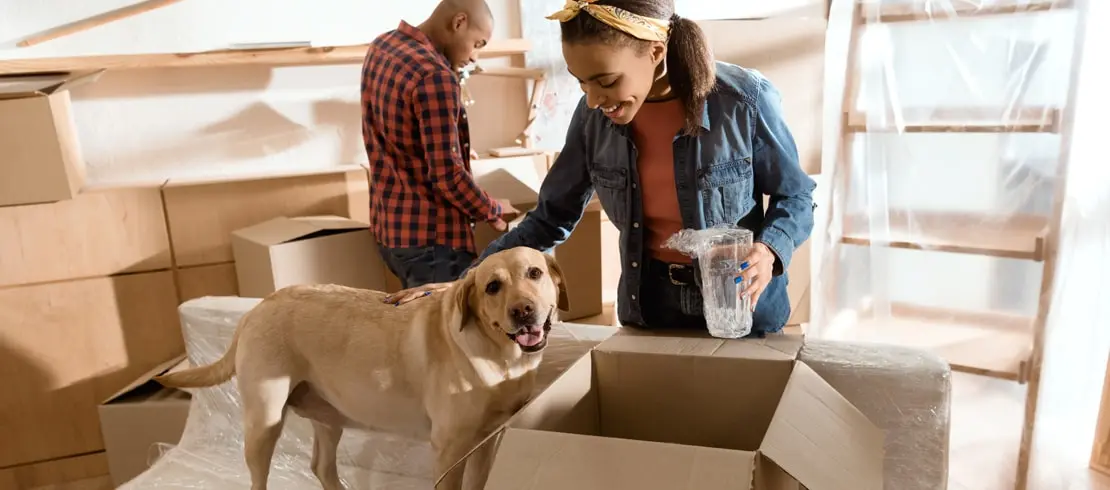
Pets can feel stress during a move just like people do. The noise of packing, strangers entering the home, furniture being moved, and changes in routine can make animals anxious. Dogs, cats, birds, and other pets may become restless, confused, or scared if the move is not planned carefully.
A professional Removalist can help manage the physical side of Moving, but pet safety needs separate attention. A reliable Moving company will handle furniture and boxes, while you focus on keeping your pets calm and secure. During family Relocations, planning for pets is just as important as packing household items.
Good Moving Services can reduce the overall stress of the day, but pet owners should prepare before movers arrive. Even Commercial Removalists can affect animals if a business operates from a home office or pet-friendly workplace, so the same care may be needed in mixed-use spaces.
Keep Your Pet’s Routine as Normal as Possible
Pets feel more secure when their routine stays familiar. Try to keep feeding times, walks, playtime, and sleeping arrangements consistent during the days leading up to the move.
Packing may change the environment, but small routines can give comfort. If your dog is used to a morning walk, keep doing it. If your cat has a favourite bed, leave it unpacked until the final day.
A calm routine helps reduce anxiety before the Removalist arrives.
Prepare a Pet Essentials Bag
Just like people need essentials during Relocations, pets need their own supplies. Pack food, water bowls, medication, bedding, toys, waste bags, litter, grooming items, and vaccination records if needed.
Keep this bag with you rather than placing it in the moving truck. When you arrive at the new property, you will have everything ready without searching through boxes.
Familiar Items Help Pets Settle
A favourite blanket or toy can help your pet feel more comfortable in the new home. Familiar smells are reassuring, especially for cats and nervous dogs.
Do not wash all pet bedding immediately before the move. Keeping familiar scents can help reduce stress.
Keep Pets Away From Moving Activity
Moving day can be dangerous for pets. Doors may be open, heavy furniture may be carried, and movers may be moving quickly through the property. Pets can escape, hide, or get injured.
Before the Moving company arrives, place pets in a quiet room with food, water, bedding, and familiar toys. Put a sign on the door so no one opens it by mistake. If possible, arrange for a friend, family member, or pet sitter to care for them during the move.
This allows the Removalist to work safely and prevents your pet from becoming overwhelmed.
Update Identification Details
Before Moving, make sure your pet’s identification is updated. Check collars, tags, microchip details, and contact numbers. If your pet escapes during or after the move, updated information can help bring them home.
This is especially important during long-distance Relocations where the pet is unfamiliar with the area.
Transport Pets Safely
Pets should not travel in the moving truck. They should travel with you in a safe and suitable carrier or restraint. Cats and small animals should be in secure carriers. Dogs should be safely restrained in the vehicle.
Plan breaks for longer journeys. Bring water and avoid feeding too heavily just before travel if your pet gets motion sickness.
A Moving Services provider can transport furniture, but pet transport should be handled personally or by a specialist pet transport service.
Prepare the New Home Before Letting Pets Explore
Before allowing pets to explore the new home, check for hazards. Look for open windows, loose screens, gaps in fences, exposed wires, cleaning products, pest traps, or small spaces where pets could hide.
Set up one quiet room first with food, water, bedding, and familiar items. Let your pet adjust gradually instead of giving access to the whole property immediately.
Cats Need Extra Time
Cats often need more time to adjust. Keep them indoors for a period after the move and introduce rooms slowly. Sudden access to a new outdoor area can increase the risk of them getting lost.
Dogs may adjust faster but still need supervision while learning the new environment.
Manage Stress After the Move
Pets may behave differently after Moving. Some may hide, bark, refuse food, or follow you around more than usual. This is normal for many animals. Be patient and keep routines consistent.
Unpack pet items early so they have familiar spaces. Walk dogs around the new neighbourhood gradually. Give cats quiet spaces where they can retreat.
The more relaxed you are, the more secure your pet may feel.
Inform Movers If Pets Are Present
Tell your Moving company if pets are in the home. This helps movers avoid opening certain doors or entering pet-safe rooms by mistake. A professional Removalist will appreciate knowing where animals are located.
This is also useful for safety. Some movers may have allergies, and some pets may react strongly to strangers. Clear communication helps everyone.
Pets in Business or Commercial Moves
Some businesses have office pets, clinic animals, grooming facilities, or pet-friendly workplaces. In these cases, Commercial Removalists should be told about animals before moving day.
Business Relocations involving animals need extra planning. The animals should be moved separately from office furniture and equipment. Their comfort, safety, and legal requirements should be handled carefully.
Final Thoughts
Moving with pets requires patience and planning. Keep routines familiar, prepare essentials, secure pets away from moving activity, update identification, and introduce the new home slowly.
A professional Removalist can reduce the stress of household Moving by handling the heavy work. A reliable Moving company provides the structure, while you focus on your pet’s safety and comfort.
Whether you are planning family Relocations or working with Commercial Removalists in a pet-friendly business, the right Moving Services can make the transition easier. Pets may not understand why everything is changing, but careful preparation can help them feel safe.