

Automation is transforming how organizations operate across sectors. From manufacturing floors to financial services platforms, automated systems are improving speed, accuracy, and scalability. Instead of replacing human effort entirely, modern automation supports teams by handling repetitive tasks and enabling more strategic, insight-driven work.
As industries adapt to digital change, automation continues to reshape workflows, customer experiences, and decision-making processes.
Understanding Automation in Modern Industries
Automation refers to the use of technology to perform tasks with minimal human intervention. It includes software-based workflows, robotics, intelligent systems, and integrated platforms that streamline operations.
Organizations adopt automation to:
- Increase productivity
- Reduce operational costs
- Improve accuracy
- Enhance service delivery speed
- Strengthen compliance consistency
Automation enables businesses to operate more efficiently while responding faster to market demands.
Automation in Manufacturing and Production
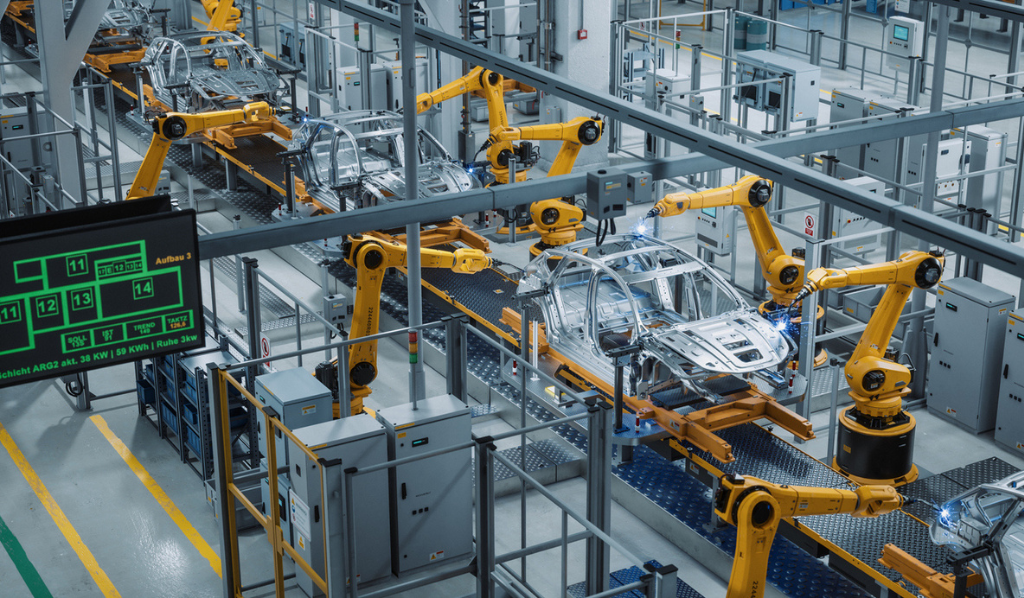
Manufacturing has long been a leader in automation adoption. Smart factories now rely on robotics and sensor-driven monitoring systems to maintain consistent production quality.
Key manufacturing automation benefits include:
- Precision-based production control
- Reduced material waste
- Faster assembly processes
- Improved workplace safety
- Real-time equipment monitoring
These improvements support reliable output and reduce operational interruptions.
Automation in Healthcare Services
Healthcare organizations are using automation to improve both administrative workflows and patient support systems.
Examples of healthcare automation include:
- Appointment scheduling systems
- Electronic health record processing
- Diagnostic support tools
- Inventory management tracking
- Remote patient monitoring platforms
Automation helps healthcare professionals spend more time focusing on patient care.
Automation in Financial Services
Financial institutions rely heavily on automation to improve accuracy and maintain regulatory compliance. Automated systems reduce manual errors while accelerating transaction processing.
Financial sector automation applications include:
- Fraud detection monitoring
- Loan approval workflows
- Compliance verification checks
- Customer onboarding processes
- Investment performance analysis
These solutions strengthen reliability across financial operations.
Automation in Retail and E-Commerce
Retail businesses are using automation to improve customer experiences and supply chain performance.
Retail automation supports:
- Inventory tracking systems
- Personalized product recommendations
- Order fulfillment coordination
- Customer service chat support
- Pricing optimization tools
Automation helps retailers respond quickly to customer expectations and market trends.
Automation in Logistics and Supply Chain Management
Efficient logistics operations depend on accurate tracking and timely coordination. Automation improves visibility across complex supply networks.
Common logistics automation uses include:
- Route optimization systems
- Warehouse robotics support
- Shipment tracking platforms
- Demand forecasting tools
- Supplier coordination systems
These capabilities reduce delays and improve delivery reliability.
Automation in Marketing and Customer Engagement
Marketing teams use automation platforms to manage campaigns, track performance, and deliver personalized communication experiences.
Marketing automation enables:
- Email campaign scheduling
- Customer segmentation workflows
- Behavioral tracking analysis
- Lead nurturing processes
- Performance reporting dashboards
Automation allows marketing teams to operate efficiently at scale.
Automation in Human Resource Management
Human resource departments are adopting automation to simplify administrative tasks and improve employee experience management.
HR automation supports:
- Recruitment screening workflows
- Payroll processing systems
- Performance evaluation tracking
- Employee onboarding coordination
- Leave management platforms
These tools reduce administrative workload and improve organizational transparency.
Automation in Energy and Utilities
Energy providers use automation to monitor infrastructure performance and manage resource distribution more efficiently.
Automation applications in utilities include:
- Smart grid monitoring systems
- Consumption tracking platforms
- Predictive maintenance alerts
- Outage detection systems
- Energy optimization analytics
These solutions improve reliability and sustainability across energy networks.
Benefits of Automation Across Industries
Automation delivers advantages that extend beyond operational efficiency.
Organizations benefit through:
- Faster service delivery
- Improved accuracy and consistency
- Enhanced customer experiences
- Reduced operational risks
- Better decision-making support
These improvements help companies remain competitive in evolving markets.
Frequently Asked Questions (FAQs)
1. How does automation improve workplace productivity?
Automation reduces repetitive tasks, allowing employees to focus on strategic activities that require problem-solving and creativity.
2. Is automation only relevant for large organizations?
No. Small and medium-sized businesses also benefit from automation through workflow tools, cloud platforms, and digital service systems.
3. Can automation reduce operational errors?
Yes. Automated processes follow predefined rules consistently, which helps minimize manual mistakes.
4. What skills are important for employees working alongside automated systems?
Digital literacy, analytical thinking, adaptability, and process understanding are increasingly valuable in automated workplaces.
5. Does automation support environmental sustainability efforts?
Automation helps optimize resource usage, reduce waste, and improve monitoring of energy consumption.
6. How quickly can companies implement automation solutions?
Implementation timelines depend on project complexity, but many cloud-based automation tools can be deployed relatively quickly.
7. What challenges might organizations face during automation adoption?
Common challenges include integration with existing systems, employee training requirements, and managing organizational change effectively.