

Trees add beauty, shade, and value to any property. They improve air quality, provide homes for wildlife, and make outdoor spaces more comfortable. Whether you have a single oak in your yard or several trees across your property, keeping them healthy benefits your home and the environment.
However, many homeowners overlook how much attention trees need throughout the year. Michigan’s changing seasons bring challenges such as temperature swings, pests, and heavy storms that can harm tree health. Without proper maintenance, even strong trees can become weak or hazardous over time.
That’s why consistent tree care West Bloomfield, MI, is essential. With the right practices, you can protect your trees from disease, support healthy growth, and extend their lifespan. Regular care not only keeps your yard looking beautiful but also preserves your trees for future generations.
The Basics of Year-Round Tree Care
Start by inspecting your trees regularly. Look for cracked branches, discolored leaves, or insect damage. These signs often indicate stress or early disease. Inspecting your trees at least twice a year, once in the spring and again in the fall, can help prevent problems before they become severe.
Healthy soil is also key to strong trees. Apply mulch or compost around the base to retain moisture and provide nutrients. Water deeply rather than frequently to encourage deeper root growth. Shallow watering can weaken roots and reduce drought resistance.
Spring: Time for Renewal
Spring is when trees begin to recover from winter dormancy. Start the season by pruning damaged or dead branches. Regular pruning allows sunlight and air to reach the canopy, which encourages strong growth.
Fertilizing in spring helps replace nutrients lost during the colder months. Choose a slow-release fertilizer and follow label directions carefully to avoid overfeeding. This is also a good time to monitor for pests such as borers and mites. Addressing infestations early prevents serious damage later.
Summer: Hydration and Protection
Hot, dry months can stress trees quickly. Water deeply once or twice a week during droughts, concentrating on the base instead of the leaves. Adding a layer of mulch helps retain soil moisture and keeps roots cool.
Watch for signs of heat stress, such as wilting or yellowing leaves. Young or newly planted trees may need extra care during extreme heat. If necessary, provide temporary shade until they establish stronger root systems.
Pests and fungi are more active in summer, so check for small holes, sawdust, or sticky residue on bark and leaves. Treat any issues early to protect your tree’s long-term health.
Fall: Preparing for Winter
As temperatures cool, trees begin storing energy for dormancy. Pruning in the fall helps shape trees and removes weak branches that could break under snow or ice.
Apply a layer of mulch around the base to insulate roots from freezing temperatures. Fertilizing in early fall gives trees the nutrients they need to stay strong during the winter months. You can also compost fallen leaves to enrich your soil naturally and reduce waste.
Winter: Protection and Monitoring
Winter brings snow, ice, and wind, which can damage trees. Gently remove snow from branches using a soft broom. Never shake frozen limbs, as they can snap easily.
Avoid using salt-based de-icers near trees, which can harm roots. Instead, use sand or a pet-safe alternative. Protect young trees by wrapping their trunks in tree guards or wire mesh to prevent damage from rodents and deer.
Even though trees are dormant in winter, continue to check them periodically. Cracked bark or fallen limbs may indicate stress that will need attention when spring arrives.
When to Call a Professional
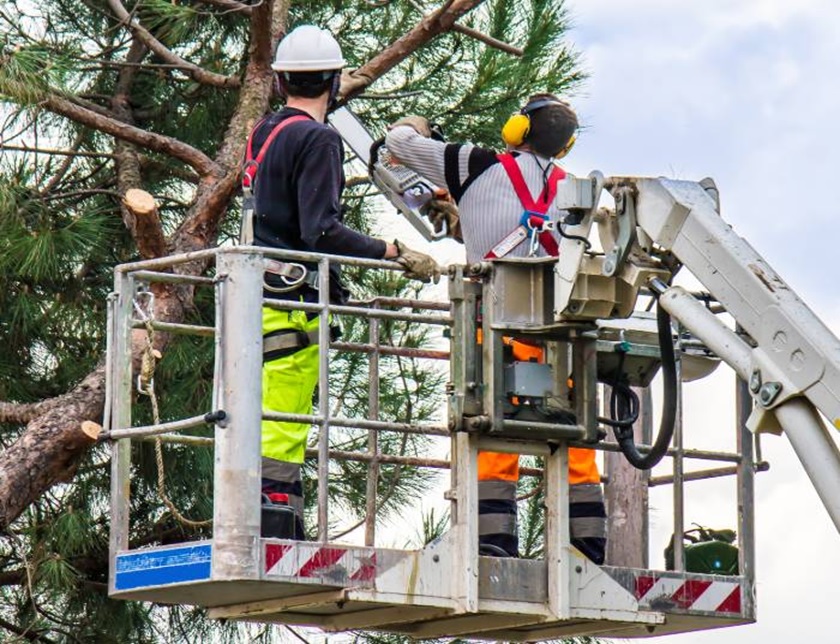
While homeowners can do basic maintenance, some tasks require a professional’s expertise. Large branches, diseased trees, and storm-damaged limbs can be dangerous to handle without proper training or equipment. A certified arborist can safely inspect, prune, or remove trees when needed.
Professionals can also spot hidden issues like root damage or internal decay. Regular professional checkups keep your trees healthy and prevent small problems from turning into costly repairs.
The Benefits of Consistent Tree Care
Routine maintenance keeps your landscape healthy and appealing. Trees that receive proper care live longer, grow stronger, and resist pests more effectively. They also improve air quality, provide shade, and increase property value.
Beyond aesthetics, healthy trees create cooler, cleaner, and more enjoyable outdoor spaces for your family and community. With consistent care, your trees can continue to thrive and enhance your property for decades.
Conclusion
Your trees are living investments that require care and attention all year long. Regular pruning, deep watering, and seasonal maintenance protect them from damage and promote long-term health.
For expert, dependable tree service, contact West Bloomfield Tree Service & Removal. Their experienced team provides professional tree care, maintenance, and safe removals throughout the year. With a commitment to quality and environmental responsibility, they help homeowners maintain beautiful, healthy trees across every season.