

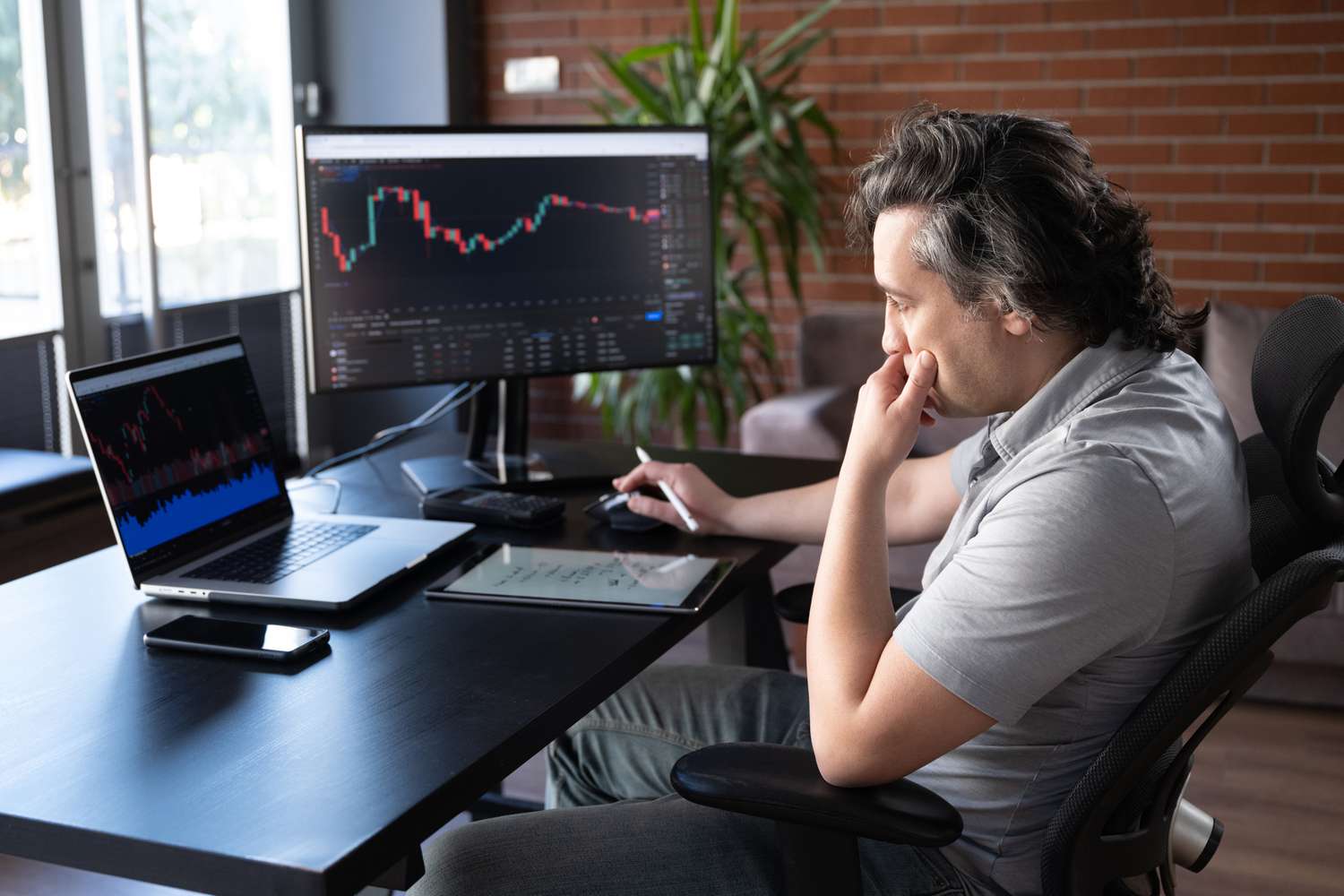
Taking market exposure can appear straightforward: identify an opportunity, choose a direction and place a trade. In reality, active trading requires far more consideration. Every position introduces a combination of market risk, product-specific risk, financial cost and behavioural pressure. The decision to enter a trade should therefore begin well before the order is placed.
For active UK traders, preparation is especially important when markets are moving quickly or when leveraged instruments are involved. Understanding how a product works, defining acceptable risk and considering the wider market environment can help create a more disciplined approach. While no preparation can guarantee a successful outcome, informed decisions can reduce avoidable mistakes and encourage greater consistency over time.
Understand Exactly What Creates Your Market Exposure
Before taking a position, traders should understand the instrument they intend to use. Different products provide exposure to financial markets in different ways. Buying shares, trading exchange-traded funds, using options or taking a leveraged position can all produce different obligations, costs and levels of risk.
This is particularly important when trading products that allow exposure without direct ownership of the underlying asset. For traders asking what is a CFD in trading, the answer begins with understanding that a Contract for Difference is a financial derivative that enables a trader to speculate on whether an underlying market will rise or fall. The trader does not own the underlying asset itself, and the profit or loss is generally determined by the difference between the opening and closing prices of the position.
The flexibility of such products can be useful, but flexibility should not be confused with simplicity. Leverage can increase market exposure beyond the amount initially committed, which means that both gains and losses may be magnified. Before trading any instrument, active traders should understand its pricing, margin requirements, leverage, potential losses and the circumstances in which a position may be closed.
Define Your Risk Before You Define Your Potential Return
One of the most important questions in active trading is not how much can be made, but how much can reasonably be lost. Markets can move unexpectedly, and even a well-researched trade can develop differently from what was anticipated. Establishing a clear level of acceptable risk before entering a position can therefore provide a stronger foundation for decision-making.
Position size should be considered alongside market volatility. A position that may be manageable in a relatively stable market could become much more significant during periods of sharp price movement. Traders should think about where their original trading idea would no longer be valid and how much of their available capital they are willing to risk if that point is reached.
Risk should also be assessed across the wider portfolio. Several positions may appear separate while still being influenced by the same economic event, industry trend or market sentiment. A trader holding multiple technology stocks, for example, may have greater exposure to one sector than initially realised. Looking at total exposure rather than individual positions alone can help identify unwanted concentration.
Consider the Wider Market Environment
No trade exists in isolation. Economic conditions, political developments, central-bank decisions and changes in investor sentiment can all influence prices. Active traders should consider the environment surrounding a potential trade rather than relying exclusively on a chart, indicator or historical pattern.
For UK-based traders, domestic economic developments can be particularly relevant. Inflation reports, employment figures and interest-rate decisions can affect sterling, UK equities and other financial markets. The Bank of England remains an important institution in this environment, while developments in the United States, Europe and other major economies can also influence globally connected markets.
Timing matters as well. Liquidity and volatility can change during different trading sessions, while major announcements can create sudden price movements. A strategy that performs effectively during calm conditions may struggle when markets become highly volatile. Understanding the calendar and recognising when unusual conditions are likely can help traders make more informed decisions about whether to enter, reduce or avoid exposure.
Look Beyond the Initial Price of a Trade
The cost of trading extends beyond whether a position eventually produces a profit or loss. Spreads, commissions and financing charges can all affect the outcome, depending on the instrument and trading provider. For active traders who place frequent positions, these costs can become increasingly important over time.
Holding costs also deserve careful attention. Some leveraged products may involve financing charges when positions remain open beyond a certain period. This means a trade intended to be short-term may have different financial implications if it is held for longer than originally planned. Understanding these costs before entering can prevent unexpected pressure on the profitability of a strategy.
Conclusion
Taking market exposure should never begin and end with the belief that a price will rise or fall. The instrument being used, the amount of risk involved, the wider market environment and the costs of maintaining a position can all influence the eventual outcome. Understanding these factors gives active traders a clearer picture of what they are actually taking on before committing capital.
For UK traders, a disciplined approach means treating preparation as part of the trading process itself. Define the risk before entering, understand the mechanics of the chosen instrument, monitor the conditions that could affect the position and review decisions over time.